
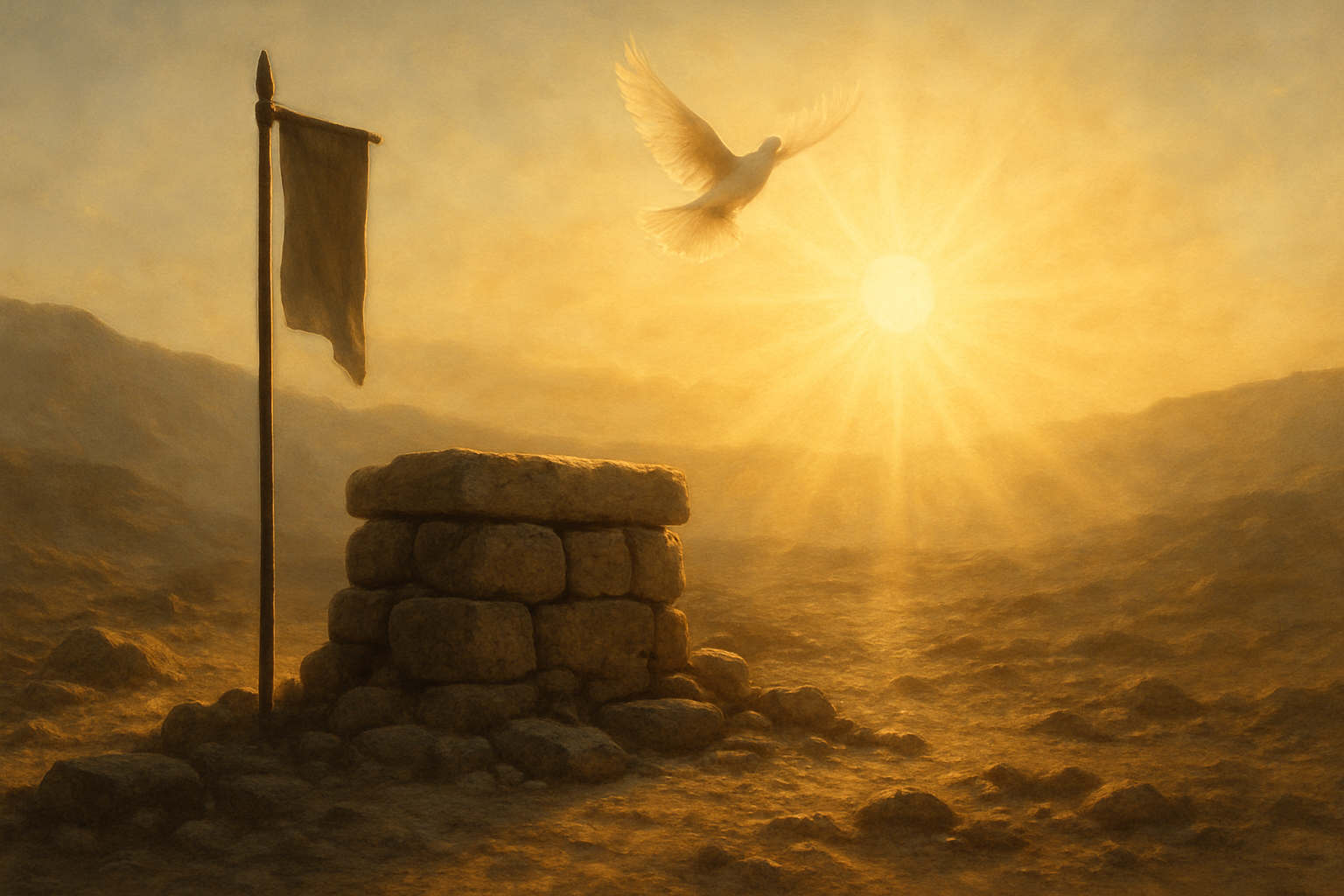
Jehovah Nissi in the Bible: Meaning, Origin, and Why It Matters
Jehovah Nissi is one of the Bible’s most vivid divine titles, a name that turns a battlefield into a place of worship. Usually translated “The LORD Is My Banner,” it appears in the Old Testament after Israel’s victory over Amalek and reflects God’s role in deliverance, identity, and leadership.
This title is rooted in Hebrew Scripture and is closely tied to Exodus 17, where Moses builds an altar and gives thanks for the LORD’s help in battle. The meaning is not merely poetic; it points to theological truth about God’s protection, Israel’s dependence, and the way covenant faith is remembered in public acts of worship.
What Does the Name Jehovah Nissi Mean?
Jehovah Nissi is traditionally understood as “The LORD Is My Banner.” In biblical language, a banner can mark identity, rally people together, or signal leadership and victory, so the title presents the LORD as the one under whom His people gather and by whom they prevail.
Origin and Language
- Language: Hebrew
- Gender: Not clearly applicable
- Testament: Old Testament
- Type: Divine Title
Life and Role in Scripture
- Birth / Early Background: Not applicable as a divine title or designation.
- Death / Final Biblical Record: Not applicable as a divine title or designation.
- Role / Calling: Divine title associated with victory, protection, and covenant deliverance
- Biblical Context: Jehovah Nissi appears in the Exodus-era wilderness narrative after Israel’s battle with Amalek. The title is linked to Moses’ altar and the public recognition that the LORD had given Israel deliverance.
- Known For: Known from Exodus 17:15, where Moses built an altar and called it by this name. The title emphasizes God as the one under whom His people gather and by whom they are sustained in conflict.
Who Is Jehovah Nissi in the Bible?
Jehovah Nissi is a reverent Old Testament title for the LORD, usually rendered “The LORD Is My Banner.” It comes from the account of Israel’s victory over Amalek and Moses’ altar of remembrance. The name highlights divine help rather than human strength.
Biblical Role and Context
As a divine title, Jehovah Nissi points to God as the one who leads, defends, and signals victory for His people. The image of a banner suggests identity, unity, and rallying under the LORD’s authority. In the Exodus setting, the title ties worship directly to deliverance in battle.
Key Bible Verses About Jehovah Nissi
Exodus 17:15 – And Moses built an altar, and called the name of it Jehovahnissi:
Psalm 60:4 – Thou hast given a banner to them that fear thee, that it may be displayed because of the truth. Selah.
Isaiah 11:10 – And in that day there shall be a root of Jesse, which shall stand for an ensign of the people; to it shall the Gentiles seek: and his rest shall be glorious.
Why Jehovah Nissi Matters in the Bible
Jehovah Nissi matters because it frames victory as something received from God, not achieved by military power alone. The title also shows how Israel’s worship and memory were shaped by specific acts of divine rescue. For Bible readers, it remains a compact confession that the LORD is the center of trust in times of conflict.
Related Names in the Bible
Frequently Asked Questions
What does Jehovah Nissi mean in the Bible?
It is traditionally understood to mean “The LORD Is My Banner.” The title presents God as the rallying point and protector of His people.
Where is Jehovah Nissi found in Scripture?
The title appears in Exodus 17:15, after Israel’s victory over Amalek. Moses built an altar and gave it this name as an act of remembrance.
Is Jehovah Nissi a personal name of God or a title?
It is best understood as a title or designation rather than a personal name. It describes one aspect of the LORD’s character and saving work.
Why is Jehovah Nissi important for Bible study?
The title teaches that deliverance comes from the LORD and that His people gather under His leadership. It also connects worship with lived experience in Israel’s history.


