
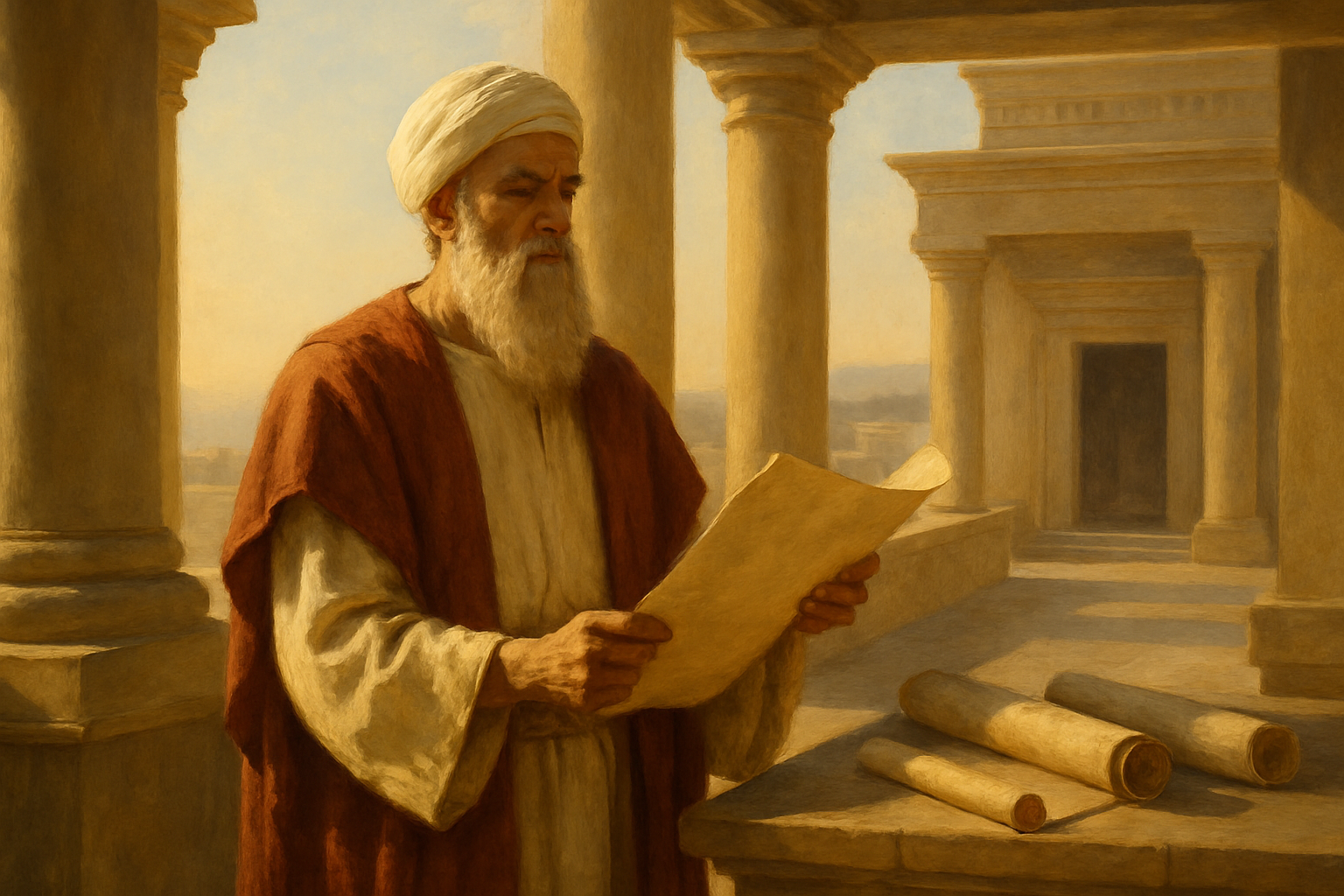
Azariah in the Bible: Meaning, Origin, and Why It Matters
Azariah son of Zadok is one of those brief but important biblical names that reveal how closely priestly service and royal leadership were linked in Solomon’s day. His Hebrew name is commonly understood to mean that the LORD has helped, and that meaning fits the quiet, faithful tone of his biblical appearance.
Rather than being introduced through a dramatic miracle or public confrontation, Azariah appears in the administrative setting of the Old Testament, where priests, officials, and counselors helped shape the life of Israel. His place in the Zadokite line also connects him to the broader history of Israel’s priesthood and worship order.
What Does the Name Azariah Mean?
Azariah is commonly understood as “Yahweh has helped” or “the LORD has helped.” In Hebrew naming patterns, that kind of statement often carries a theologically rich sense of divine aid, even when the person’s own story is only briefly recorded.
Origin and Language
- Language: Hebrew
- Gender: Male
- Testament: Old Testament
- Type: Person
Life and Role in Scripture
- Birth / Early Background: Not explicitly recorded in Scripture. He appears as part of the priestly line associated with Zadok, indicating a background within Israel’s priestly family.
- Death / Final Biblical Record: His death is not recorded in Scripture. The biblical text presents him chiefly through his service record and family setting.
- Role / Calling: Priestly descendant and royal official
- Biblical Context: Azariah son of Zadok appears in the administrative and priestly world of Solomon’s kingdom. He is listed among officials connected to the king’s reign, showing the organized structure of worship and governance in Israel.
- Known For: He is known for serving in a priestly family line during Solomon’s administration. His name also appears among the officials supporting the kingdom’s religious and civic life.
Who Is Azariah in the Bible?
Azariah son of Zadok is a lesser-known Old Testament figure tied to the priestly line of Zadok. His name is Hebrew in origin and is commonly understood to mean that the LORD has helped. Scripture places him in the orbit of Solomon’s royal administration rather than in a dramatic narrative scene.
Biblical Role and Context
Azariah belongs to the generation of priests and officials who helped stabilize Israel’s life under Solomon. His brief mention reflects the importance of priestly continuity, even when the individual record is limited. He represents faithful service within the framework of covenant order and national leadership.
Key Bible Verses About Azariah
1 Kings 4:2 – And these were the princes which he had; Azariah the son of Zadok the priest…
1 Kings 4:4 – And Benaiah the son of Jehoiada was over the host: and Zadok and Abiathar were the priests:
1 Chronicles 6:8-10 – And Ahitub begat Zadok, and Zadok begat Ahimaaz, and Ahimaaz begat Azariah… and Azariah begat Johanan.
Why Azariah Matters in the Bible
Although the biblical text gives only a short notice about him, Azariah son of Zadok illustrates how priestly families contributed to Israel’s worship and administration. His inclusion in the record reminds readers that Scripture preserves not only major leaders but also supporting figures in God’s people. That quiet presence gives his name lasting value in Bible study and reference work.
Related Names in the Bible
Frequently Asked Questions
Who was Azariah son of Zadok in the Bible?
He was a priestly figure connected to Zadok’s line and named among Solomon’s officials. Scripture does not give him a long personal story, but it places him within Israel’s organized worship and leadership structure.
What does the name Azariah mean?
Azariah is commonly understood to mean “Yahweh has helped” or “the LORD has helped.” The exact sense can vary slightly depending on Hebrew form and context.
Where is Azariah mentioned in Scripture?
He is mentioned in passages connected with Solomon’s administration, especially in 1 Kings 4 and related priestly genealogies. These references help identify his family and role in Israel’s leadership.
Why does Azariah matter even though little is said about him?
Azariah matters because he shows the continuity of priestly service in Israel’s history. Even brief names in Scripture can point to the broader faithfulness, order, and covenant life of God’s people.


