
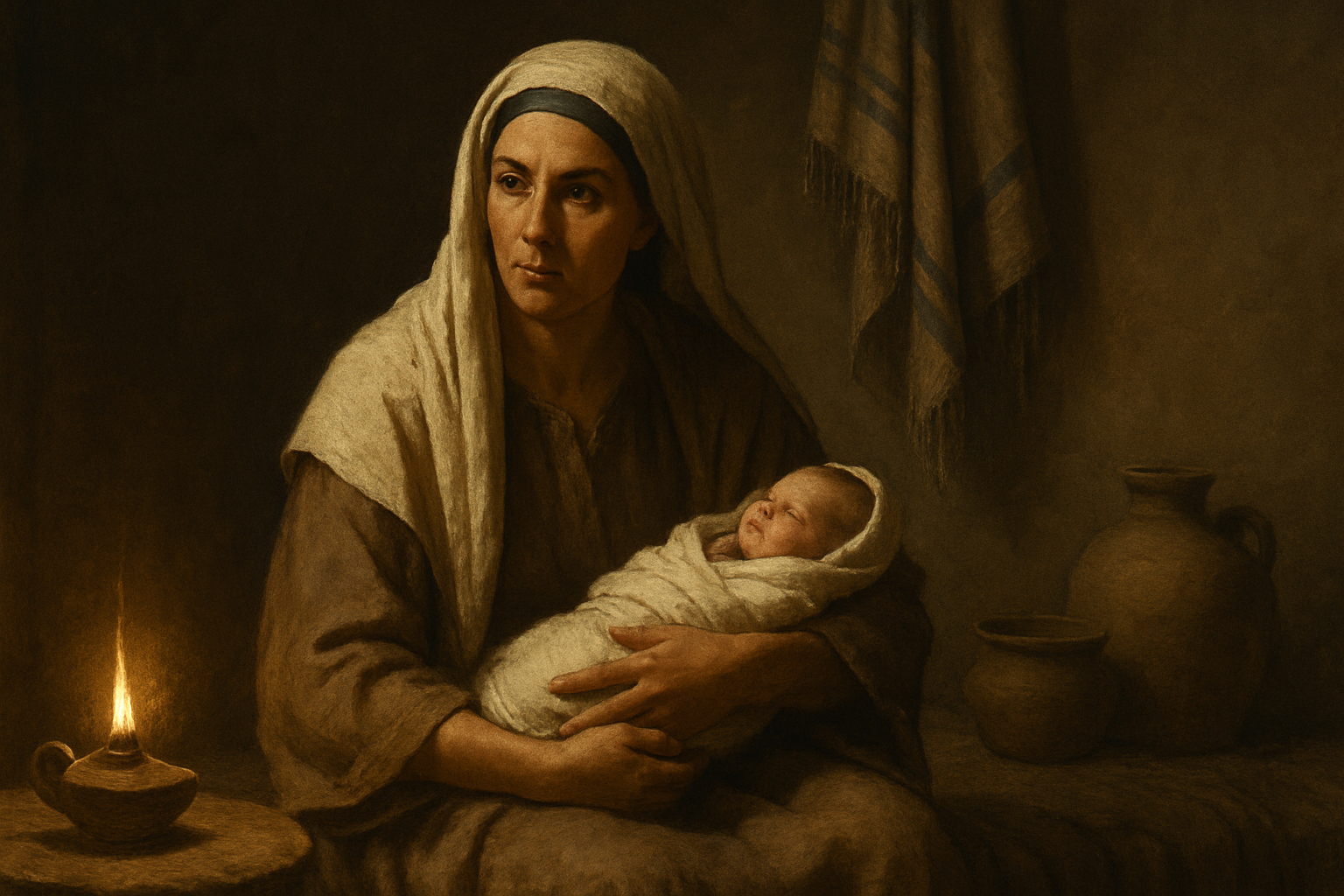
Shiphrah in the Bible: Meaning, Origin, and Why It Matters
Shiphrah appears only briefly in Scripture, yet her name is tied to one of the most morally weighty moments in Exodus. As a Hebrew midwife in Egypt, she stands at the intersection of meaning, calling, and courage, showing how a single faithful decision can shape the story of God’s people.
Her name is commonly linked to beauty or fairness in Hebrew, though scholars do not treat the exact sense as fully settled. In the opening chapters of Exodus, Shiphrah is remembered alongside Puah for fearing God, resisting Pharaoh’s command, and helping preserve Israel’s future during a time of oppression.
What Does the Name Shiphrah Mean?
The name Shiphrah is commonly understood as “beautiful” or “fair,” though the precise meaning is not always stated with certainty. Like several ancient Hebrew names, it may carry a sense of loveliness, brightness, or pleasing appearance, but conservative Bible reference treatment should keep the meaning cautious rather than absolute.
Origin and Language
- Language: Hebrew
- Gender: Female
- Testament: Old Testament
- Type: Woman of the Bible
Life and Role in Scripture
- Birth / Early Background: Not explicitly recorded in Scripture. She appears as one of the Hebrew midwives in Egypt during the period of Israel’s oppression.
- Death / Final Biblical Record: Her death is not recorded in Scripture.
- Role / Calling: Hebrew midwife and protector of life
- Biblical Context: Shiphrah appears at the opening of Exodus, when Pharaoh tried to control the growth of the Israelites through the Hebrew midwives. Her brief but significant role is set in the backdrop of Israel’s slavery in Egypt and the early stages of deliverance.
- Known For: She feared God and refused to obey Pharaoh’s command to kill Hebrew newborn boys. Together with Puah, she helped preserve the lives of Israel’s children and is remembered for courageous obedience.
Who Is Shiphrah in the Bible?
Shiphrah is one of the two Hebrew midwives named in Exodus. Her story is short, but her actions carry great weight: she chose to fear God rather than comply with an unjust royal order. In doing so, she helped protect Israel’s future at a critical moment in the Exodus narrative.
Biblical Role and Context
Shiphrah is presented as a midwife whose quiet faithfulness became an act of public resistance against tyranny. The biblical text highlights her fear of God more than her social rank, showing that covenant faithfulness can appear in ordinary vocations. Her example belongs to the beginning of Israel’s redemption story and to the long biblical theme of God preserving life through courageous obedience.
Key Bible Verses About Shiphrah
Exodus 1:15-17 – And the king of Egypt spake to the Hebrew midwives, of which the name of the one was Shiphrah, and the name of the other Puah: And he said, When ye do the office of a midwife to the Hebrew women, and see them upon the stools; if it be a son, then ye shall kill him: but if it be a daughter, then she shall live. But the midwives feared God, and did not as the king of Egypt commanded them, but saved the men children alive.
Exodus 1:20-21 – Therefore God dealt well with the midwives: and the people multiplied, and waxed very mighty. And it came to pass, because the midwives feared God, that he made them houses.
Exodus 1:22 – And Pharaoh charged all his people, saying, Every son that is born ye shall cast into the river, and every daughter ye shall save alive.
Why Shiphrah Matters in the Bible
Shiphrah matters because Scripture honors a woman whose name is attached to courage, wisdom, and reverence for God. She demonstrates that faithful action does not require prominence; a person with a modest role can still influence the course of biblical history. Her account also underscores the biblical value of protecting life and resisting evil commands.
Related Names in the Bible
Frequently Asked Questions
Who was Shiphrah in the Bible?
Shiphrah was one of the Hebrew midwives in Exodus who feared God and protected Hebrew baby boys from Pharaoh’s command.
What does the name Shiphrah mean?
The name is commonly understood to mean “beautiful” or “fair,” though the exact derivation is not certain.
Why is Shiphrah important?
She is remembered for obeying God rather than an oppressive royal order, helping preserve the lives of Israel’s children.
Is Shiphrah mentioned anywhere besides Exodus 1?
No further details are given in Scripture beyond the opening chapter of Exodus.


