
Micaiah in the Bible: Meaning, Origin, and Why It Matters
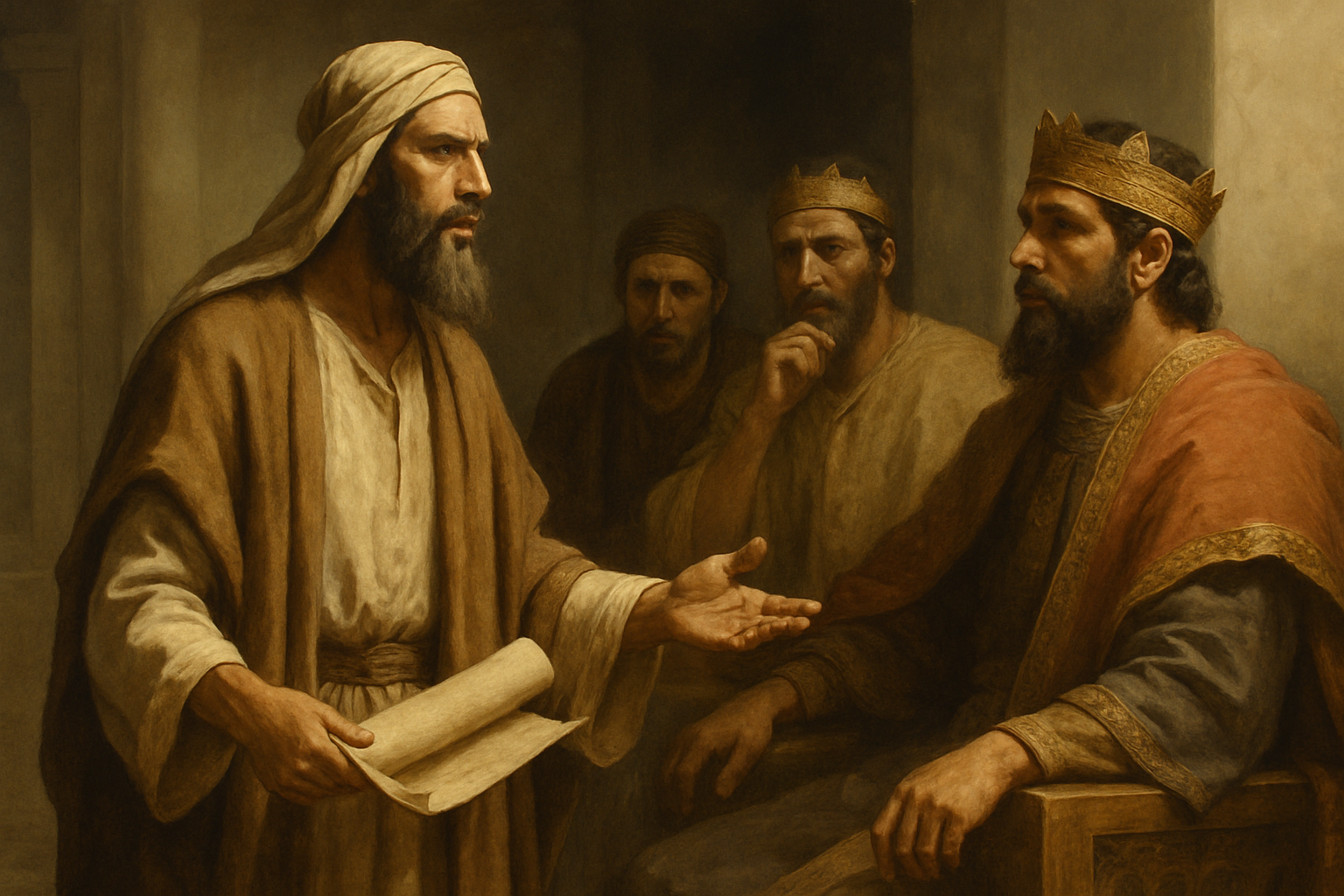
Micaiah is one of Scripture’s clearest examples of a prophet who would not trade truth for approval. His name is commonly understood as a reverent question about God’s uniqueness, and his brief but forceful appearance in the Old Testament places him at the center of a royal crisis involving Ahab and Jehoshaphat.
Set in the northern kingdom era, Micaiah’s message stands in sharp contrast to the court prophets who promised success. That contrast gives his account lasting theological weight: the word of the LORD is not measured by popularity, and faithful leadership often requires courage in the face of pressure.
What Does the Name Micaiah Mean?
Micaiah is commonly understood as “Who is like Yah?” or “Who is like the LORD?” It is a Hebrew name that carries a worshipful sense, pointing away from human power and toward God’s unmatched greatness. Because the name appears in a prophetic setting, its meaning fits the biblical portrait especially well.
Origin and Language
- Language: Hebrew
- Gender: Male
- Testament: Old Testament
- Type: Prophet
Life and Role in Scripture
- Birth / Early Background: Not explicitly recorded in Scripture. He appears as a prophet in the northern kingdom period during the reign of Ahab and Jehoshaphat.
- Death / Final Biblical Record: His death is not recorded in Scripture. The biblical record leaves his later life and final end unmentioned.
- Role / Calling: Prophet and truth-teller in Israel
- Biblical Context: Micaiah appears in the royal and prophetic conflict surrounding King Ahab of Israel and King Jehoshaphat of Judah. He is introduced in a setting where court prophets promise victory, but his message confronts royal pressure with the word of the LORD.
- Known For: He is best known for warning Ahab against a doomed battle at Ramoth-gilead and refusing to soften his message. His courage and fidelity make him a clear example of prophetic integrity under pressure.
Who Is Micaiah in the Bible?
Micaiah is a Hebrew prophetic name associated with the question, ‘Who is like the LORD?’ In Scripture, Micaiah son of Imlah speaks with unusual boldness before kings and stands apart from the chorus of flattering advisers. His brief appearance is memorable because he chooses truth over approval.
Biblical Role and Context
Micaiah serves as a prophetic voice who exposes the difference between human consensus and divine truth. In the court scene recorded in Kings and Chronicles, he confronts a powerful king with a message that is unpopular but ultimately accurate. His role highlights the biblical pattern of prophets speaking for God even when the message is costly.
Key Bible Verses About Micaiah
1 Kings 22:14 – And Micaiah said, As the LORD liveth, what the LORD saith unto me, that will I speak.
1 Kings 22:28 – And Micaiah said, If thou return at all in peace, the LORD hath not spoken by me. And he said, Hearken, O people, every one of you.
2 Chronicles 18:13 – And Micaiah said, As the LORD liveth, even what my God saith, that will I speak.
Why Micaiah Matters in the Bible
Micaiah matters because his account shows that faithful prophecy is measured by obedience to God, not by royal favor or public agreement. His example also underscores the seriousness of rejecting the LORD’s warning. For Bible readers, he remains a strong witness to courage, discernment, and integrity in leadership.
Related Names in the Bible
Frequently Asked Questions
What does Micaiah mean in the Bible?
Micaiah is commonly understood as ‘Who is like Yah?’ or ‘Who is like the LORD?’ The name reflects reverence for God’s uniqueness.
Who was Micaiah in Scripture?
Micaiah, specifically Micaiah son of Imlah, was a prophet who confronted King Ahab and spoke a warning from the LORD before battle.
Why is Micaiah important?
He is important because he refused to echo false optimism and instead delivered God’s message faithfully, even when it was dangerous.
Where is Micaiah mentioned in the Bible?
Micaiah appears in 1 Kings 22 and the parallel account in 2 Chronicles 18, where he speaks before Ahab and Jehoshaphat.


