
Joanna in the Bible: Meaning, Origin, and Why It Matters
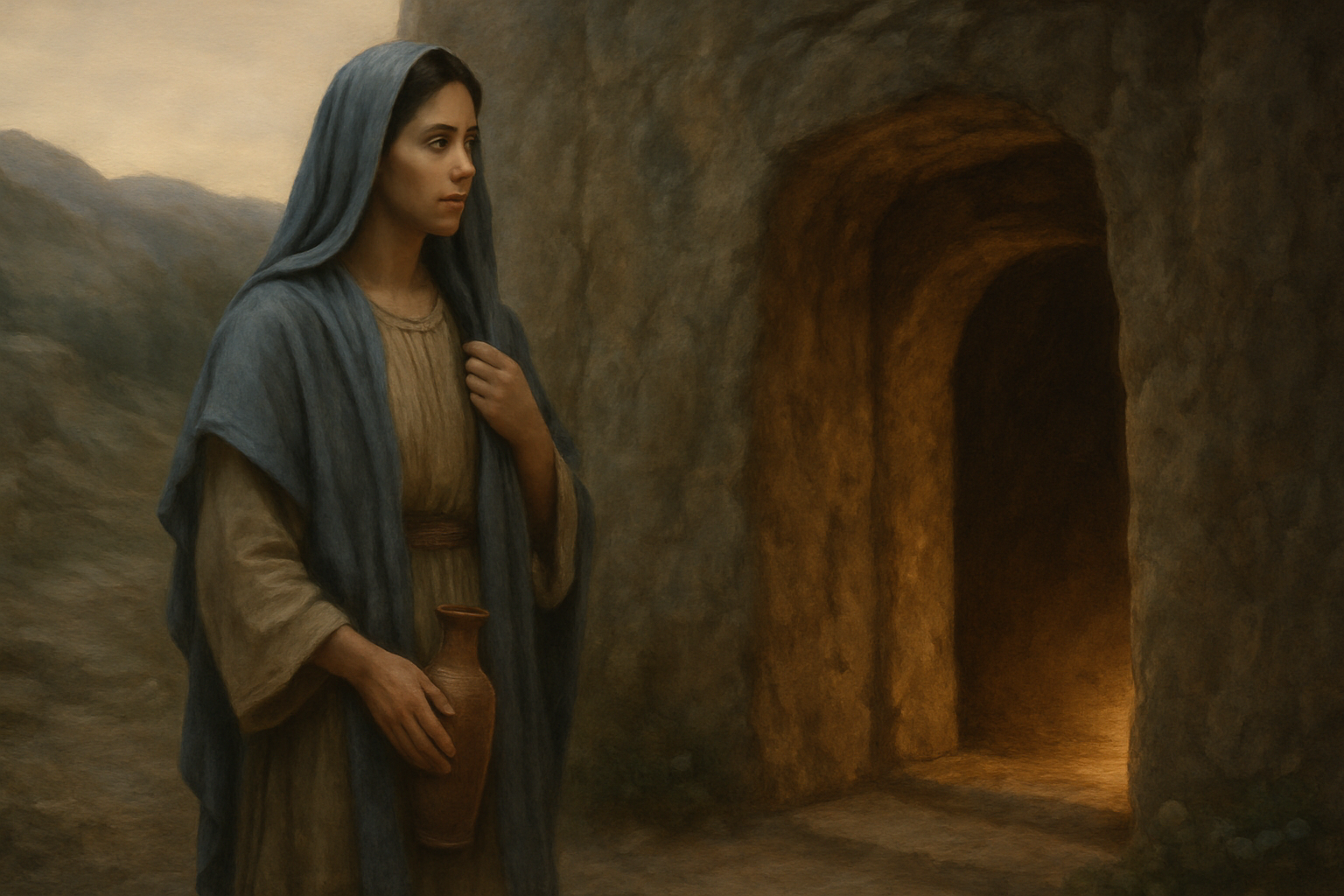
Joanna may not be one of the most frequently discussed women in the Gospels, but her name appears at a crucial point in the story of Jesus. Luke places her among the women who supported his ministry and later among the first witnesses to the empty tomb, making her both a disciple and a witness in the New Testament narrative.
Her name is commonly linked with the Hebrew idea of the Lord’s favor, which fits the role she is given in Scripture. That combination of meaning, Gospel context, and resurrection testimony gives Joanna a distinctive place in Bible study, especially for readers tracing the faithful women who remained near Jesus throughout his ministry.
What Does the Name Joanna Mean?
Joanna is commonly understood as meaning “Yahweh has shown favor” or “the Lord is gracious.” The exact nuance is not spelled out in the biblical text, so the meaning should be held as a careful traditional understanding rather than a rigid definition.
Origin and Language
- Language: Hebrew
- Gender: Female
- Testament: New Testament
- Type: Woman of the Bible
Life and Role in Scripture
- Birth / Early Background: Not explicitly recorded in Scripture. She appears as a follower of Jesus in the Gospel period, likely among the women who supported his ministry.
- Death / Final Biblical Record: Her death is not recorded in Scripture.
- Role / Calling: Disciple and supporter of Jesus’ ministry
- Biblical Context: Joanna appears in the New Testament during Jesus’ public ministry and is named among the women who were helped by him and later served his mission. She is also connected with the witness to Jesus’ resurrection.
- Known For: She is remembered as one of the women who ministered to Jesus out of their means and as a witness to the empty tomb. Her name links her to the circle of faithful women who remained present at crucial moments.
Who Is Joanna in the Bible?
Joanna is a New Testament woman associated with Jesus’ ministry, his burial, and the resurrection account. She is named in Luke as one of the women whom Jesus had healed and who helped support his work. Her presence in the resurrection narrative shows her importance as a reliable witness.
Biblical Role and Context
Joanna belongs to the group of women who traveled with Jesus and the Twelve, helping sustain the ministry through practical support. Luke presents her as a healed and devoted follower, which gives her a place in both the ministry of Jesus and the witness to his resurrection. That combination makes her a notable example of discipleship expressed through service and faithfulness.
Key Bible Verses About Joanna
Luke 8:3 – And Joanna the wife of Chuza Herod’s steward, and Susanna, and many others, which ministered unto him of their substance.
Luke 24:10 – It was Mary Magdalene, and Joanna, and Mary the mother of James, and other women that were with them, which told these things unto the apostles.
John 20:18 – Mary Magdalene came and told the disciples that she had seen the Lord, and that he had spoken these things unto her.
Why Joanna Matters in the Bible
Joanna matters because she shows that women were active participants in Jesus’ mission, not merely onlookers. Her role in the resurrection account also underscores the trustworthiness of the women who first reported the empty tomb. For Bible readers, she is a reminder that faithful support and eyewitness testimony both have lasting value in the Gospel story.
Related Names in the Bible
Frequently Asked Questions
Who was Joanna in the Bible?
Joanna was a woman connected with Jesus’ ministry, named in Luke among those who supported him and later witnessed the resurrection events.
What does the name Joanna mean?
It is commonly understood as meaning that the Lord is gracious or has shown favor, though the exact background is not always spelled out in the biblical text.
Where is Joanna mentioned in Scripture?
Joanna is mentioned in Luke 8:3 and Luke 24:10, and she is also included in the resurrection testimony recorded in the Gospel accounts.
Why is Joanna important?
She is important because she represents devoted female discipleship and appears as part of the group that first announced the empty tomb.