
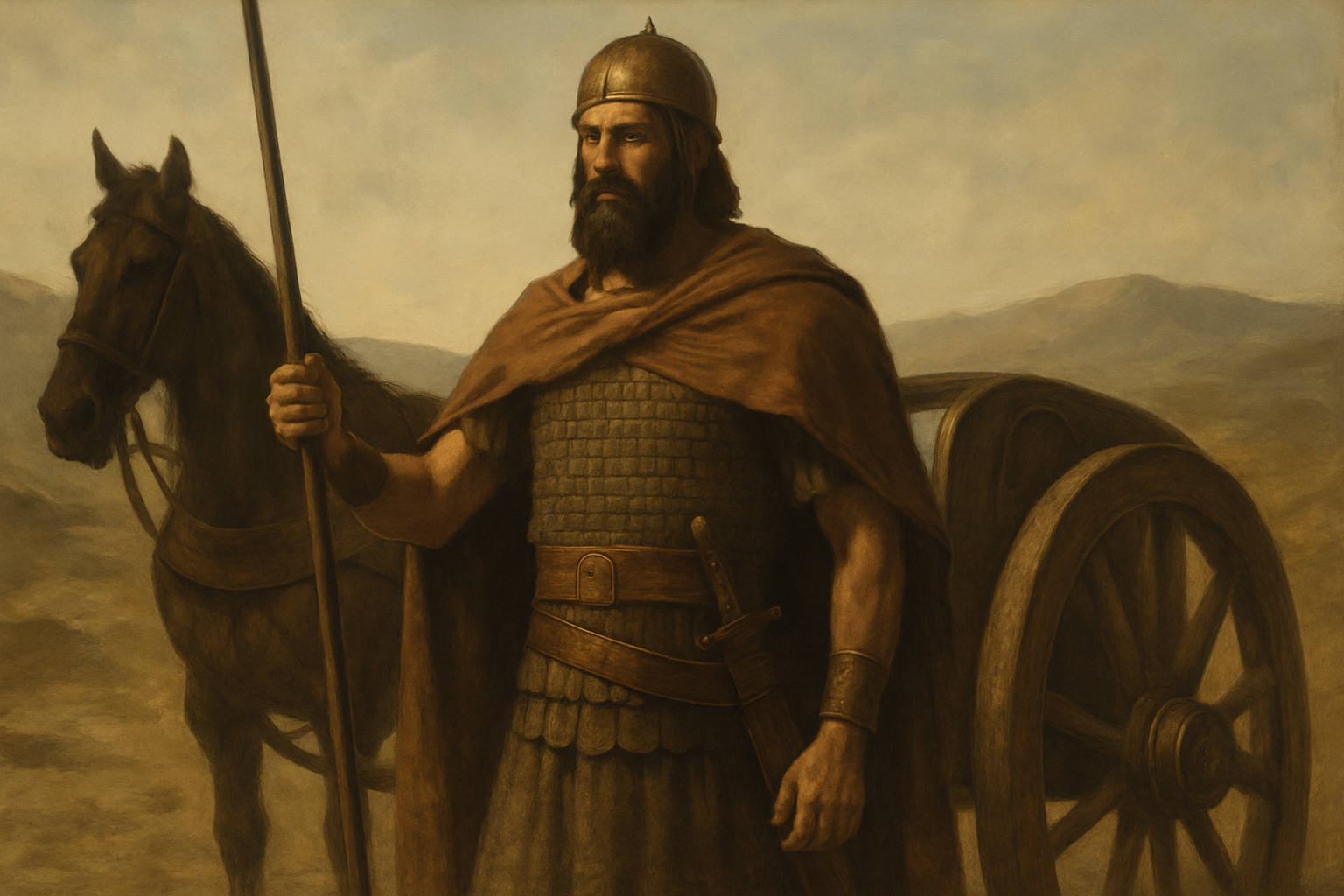
Jehu in the Bible: Meaning, Origin, and Why It Matters
Jehu’s story reads like a turning point in Israel’s history: a military leader becomes king, and a dynasty is brought down in the process. His name, commonly understood in Hebrew terms, is often linked with the confession that Yahweh is God, which fits the prophetic setting of his rise.
He appears in the Old Testament during the divided kingdom, where kings, prophets, and national crises intersect. Jehu’s role is not just political; it is tied to judgment, reform, and the confrontation of Baal worship in the northern kingdom.
What Does the Name Jehu Mean?
The name Jehu is commonly understood as meaning ‘Yahweh is He’ or a similar confession of the Lord’s identity. Because Hebrew names can carry more than one shade of meaning, careful reference works usually present this as a traditional understanding rather than a mathematically certain definition.
Origin and Language
- Language: Hebrew
- Gender: Male
- Testament: Old Testament
- Type: King
Life and Role in Scripture
- Birth / Early Background: Jehu is introduced as the son of Nimshi, but Scripture does not give details about his early life. He emerges from the military and political world of northern Israel.
- Death / Final Biblical Record: Jehu’s death is not described in detail. The biblical record notes that he reigned in Samaria and was buried there.
- Role / Calling: King of Israel and reforming military leader
- Biblical Context: He appears in the period of the divided monarchy, when Israel was struggling with idolatry and unstable leadership. His rise is closely connected to prophetic judgment against the house of Ahab.
- Known For: He is known for being anointed to become king and for carrying out judgment on Ahab’s dynasty. He is also remembered for his campaign against Baal worship in Israel.
Who Is Jehu in the Bible?
Jehu was a king of Israel whose account is marked by swift action, prophetic commission, and national upheaval. He came to the throne as part of God’s judgment on the house of Ahab, and his early reign was defined by violent change. His name and his actions place him among the more consequential rulers of the Old Testament.
Biblical Role and Context
Jehu’s biblical role centers on kingship under divine judgment. He was anointed to overthrow Ahab’s line and to confront the corruption that had taken root in Israel’s leadership. His story shows both the seriousness of idolatry and the way God works through historical events and human rulers to carry out His purposes.
Key Bible Verses About Jehu
2 Kings 9:6 – Then he arose, and went into the house; and he poured the oil on his head, and said unto him, Thus saith the LORD God of Israel, I have anointed thee king over the people of the LORD, even over Israel.
2 Kings 10:16 – And he said, Come with me, and see my zeal for the LORD. So they made him ride in his chariot.
2 Kings 10:28-31 – Thus Jehu destroyed Baal out of Israel. But Jehu took no heed to walk in the law of the LORD God of Israel with all his heart; for he departed not from the sins of Jeroboam the son of Nebat, who made Israel to sin.
Why Jehu Matters in the Bible
Jehu matters because he represents a decisive moment in Israel’s story, when the Lord brought judgment on a corrupt dynasty through a new ruler. His reign demonstrates that God’s purposes can unfold through political change, but it also warns that zeal for reform is not the same as complete covenant faithfulness. For readers of Scripture, Jehu remains a striking example of leadership under prophetic scrutiny.
Related Names in the Bible
Frequently Asked Questions
Who was Jehu in the Bible?
Jehu was a king of Israel, the son of Nimshi, known for being anointed to bring judgment on the house of Ahab and for opposing Baal worship.
What does the name Jehu mean?
The name Jehu is commonly understood as meaning ‘Yahweh is He,’ though the exact nuance is not always explained directly in the biblical text.
Why is Jehu important in the Old Testament?
Jehu is important because his reign marks a dramatic shift in the northern kingdom. His rise fulfilled prophetic judgment and changed the political and religious direction of Israel.
Did Jehu fully obey God?
Jehu carried out significant judgment and removed Baal worship, but Scripture also shows that he did not turn Israel fully back to covenant faithfulness.


