
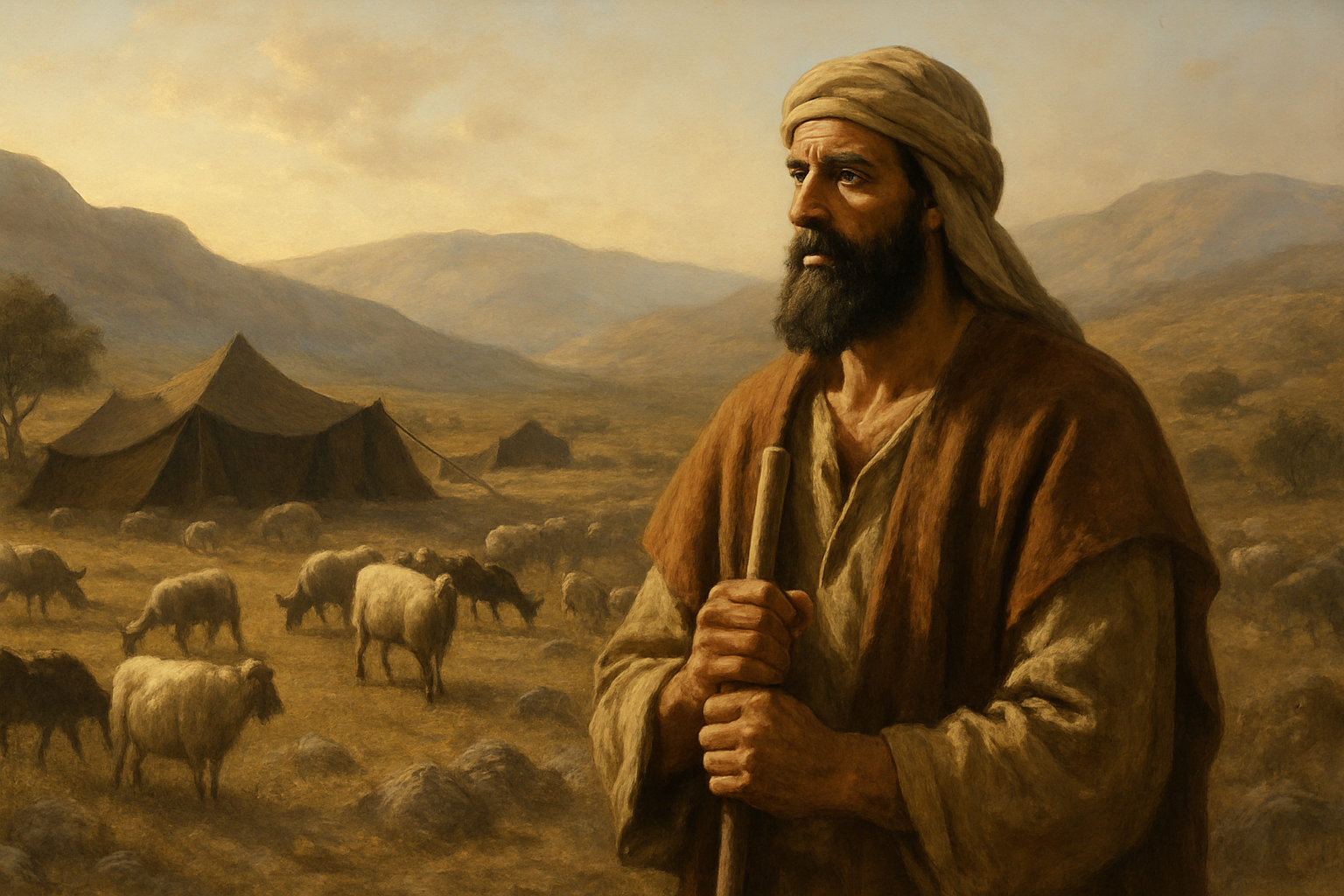
Gad in the Bible: Meaning, Origin, and Why It Matters
Gad is a brief name in Scripture, but it carries a lasting place in Israel’s story. As one of Jacob’s sons, he stands at the beginning of a tribal line that helped shape the identity of God’s covenant people.
The name is commonly understood as meaning “fortune” or “good fortune,” though the exact sense is not always certain. Gad appears in the Old Testament family narratives and in the tribal blessings that connect his descendants to the wider story of Israel.
What Does the Name Gad Mean?
Gad is commonly understood as meaning “fortune” or “good fortune.” The Hebrew background of the name is traditional and widely accepted, though the precise etymology is not always explained directly in the biblical text.
Origin and Language
- Language: Hebrew
- Gender: Male
- Testament: Old Testament
- Type: Person
Life and Role in Scripture
- Birth / Early Background: Gad appears in Scripture as the seventh son of Jacob, born to Zilpah, Leah’s maidservant. His tribal line became one of the clans of Israel, associated with life east of the Jordan.
- Death / Final Biblical Record: Not clearly recorded in Scripture. The biblical text preserves his place in the family line and tribal history rather than a detailed account of his death.
- Role / Calling: Patriarch and ancestral head of the tribe of Gad
- Biblical Context: Gad is introduced in the Genesis family narratives and later remembered among the tribes of Israel. His name also appears in Jacob’s blessings, where the tribe linked to him receives a brief prophetic description.
- Known For: Known as one of the sons of Jacob and the ancestor of the tribe of Gad. He is especially remembered through the tribal blessing that speaks of conflict and endurance.
Who Is Gad in the Bible?
Gad is a lesser-known but important Old Testament figure, the son of Jacob and Zilpah. His name is traditionally associated with fortune, though the exact etymology is not always stated with certainty. Through him, one of the tribes of Israel received its identity and place among the covenant people.
Biblical Role and Context
Gad serves as a patriarchal figure whose significance extends beyond his own brief personal mention. The tribe named after him appears throughout Israel’s wilderness journey, settlement, and national history. His place in Jacob’s family underscores how the tribes of Israel were rooted in the promises given to the patriarchs.
Key Bible Verses About Gad
Genesis 30:11 – And Leah said, A troop cometh: and she called his name Gad.
Genesis 49:19 – Gad, a troop shall overcome him: but he shall overcome at the last.
Numbers 2:14 – Then the tribe of Gad: and the captain of the children of Gad shall be Eliasaph the son of Reuel.
Deuteronomy 33:20 – And of Gad he said, Blessed be he that enlargeth Gad: he dwelleth as a lion, and teareth the arm with the crown of the head.
Why Gad Matters in the Bible
Gad matters because biblical tribes are not incidental lists; they are part of the covenant structure of Israel’s story. His name and descendants preserve the memory of a branch of Jacob’s family that contributed to the nation’s identity. Even with limited personal detail, Gad remains a meaningful link in the biblical record of God’s people.
Related Names in the Bible
Frequently Asked Questions
Who was Gad in the Bible?
Gad was one of Jacob’s sons, born to Zilpah, Leah’s maidservant. He became the ancestral head of the tribe of Gad in Israel.
What does the name Gad mean?
Gad is commonly understood to mean “fortune” or “good fortune,” though the exact origin is not always explained with certainty.
Where is Gad mentioned in Scripture?
Gad appears in Genesis 30 and Genesis 49, and his tribe is listed in several parts of the Pentateuch, including Numbers and Deuteronomy.
Why is Gad important in the Bible?
Gad is important because he is part of Jacob’s family line and the founder of one of Israel’s tribes. His place helps trace how the people of Israel were organized and remembered in Scripture.


