
Berekiah in the Bible: Meaning, Origin, and Why It Matters
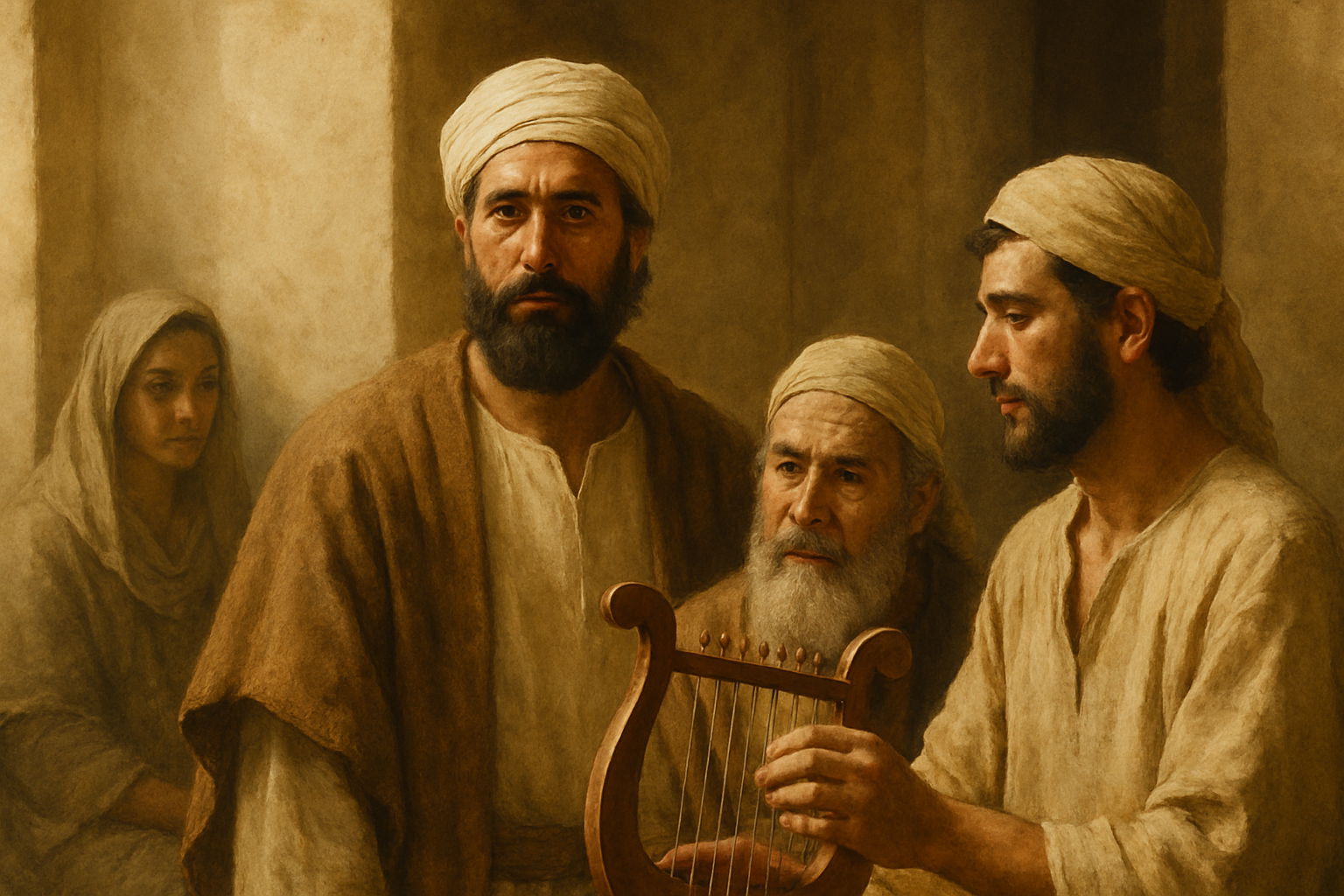
Berekiah is one of those biblical names that appears briefly but leaves a lasting trace through a significant family line. His name is commonly understood as “Yahweh blesses,” and his place in Scripture connects him to the Levites and the worship tradition associated with Asaph.
Although the Old Testament gives little personal detail, Berekiah matters because his name is preserved in the genealogy of a leading temple musician. That connection places him near the center of Israel’s musical and liturgical life, where ancestry, ministry, and covenant service all meet.
What Does the Name Berekiah Mean?
Berekiah is usually understood to mean “Yahweh blesses” or “the LORD blesses.” The name is Hebrew in origin and carries the familiar biblical pattern of a theophoric name that includes God’s name as part of its meaning.
Origin and Language
- Language: Hebrew
- Gender: Male
- Testament: Old Testament
- Type: Person
Life and Role in Scripture
- Birth / Early Background: Not explicitly recorded in Scripture. He is identified through his family connection as the father of Asaph, placing him within the Levitical and musical tradition associated with temple service.
- Death / Final Biblical Record: Not clearly recorded in Scripture. The biblical text does not preserve details about his death or later life.
- Role / Calling: Levitical ancestor connected to sacred music and temple worship
- Biblical Context: Berekiah appears in genealogical references tied to the Levites and the musical ministry of Israel. His name is preserved chiefly through the line of Asaph, a key figure in temple praise and worship.
- Known For: Best known as the father of Asaph, one of Israel’s major worship leaders and psalm composers. His place in the genealogy highlights the importance of faithful family lines in the service of God.
Who Is Berekiah in the Bible?
Berekiah is a biblical man remembered through his connection to Asaph, the prominent Levite musician. His name carries the sense of divine blessing and fits the worship-centered setting of the Old Testament. Scripture gives little personal detail, but his family line links him to the musical life of Israel’s sanctuary.
Biblical Role and Context
Berekiah’s role in Scripture is indirect but meaningful: he stands at the edge of a worship genealogy that helped shape Israel’s praise. Through Asaph, his name becomes part of the record of Levitical service, reminding readers that biblical family lines often matter in God’s unfolding work.
Key Bible Verses About Berekiah
1 Chronicles 6:39 – And his brother Asaph, who stood on his right hand, even Asaph the son of Berekiah, the son of Shimea;
1 Chronicles 15:17 – So the Levites appointed Heman the son of Joel; and of his brethren, Asaph the son of Berekiah; and of the sons of Merari their brethren, Ethan the son of Kushaiah;
Psalm 50:1 – The mighty God, even the LORD, hath spoken, and called the earth from the rising of the sun unto the going down thereof.
Why Berekiah Matters in the Bible
Berekiah matters because he represents the often-overlooked names that anchor major biblical ministries. The preservation of his name in the genealogy of Asaph ties him to Israel’s worship heritage and to the larger story of temple praise. His name also reflects a biblical pattern in which blessing and service are closely linked.
Related Names in the Bible
Frequently Asked Questions
Who was Berekiah in the Bible?
Berekiah is identified in Scripture as the father of Asaph. He appears in the background of the Levitical family line connected with temple music and worship.
What does the name Berekiah mean?
The name is commonly understood to mean “Yahweh blesses” or “the LORD blesses.” It is a Hebrew name built around the idea of divine blessing.
Where is Berekiah mentioned in Scripture?
Berekiah is mentioned in genealogical passages, especially in connection with Asaph. These references place him within the priestly and musical traditions of Israel.
Why is Berekiah important?
He matters because his name connects to Asaph, one of the most important worship leaders in the Old Testament. Even brief genealogical names help preserve the history of Israel’s sacred service.


