
El Roi in the Bible: Meaning, Origin, and Why It Matters
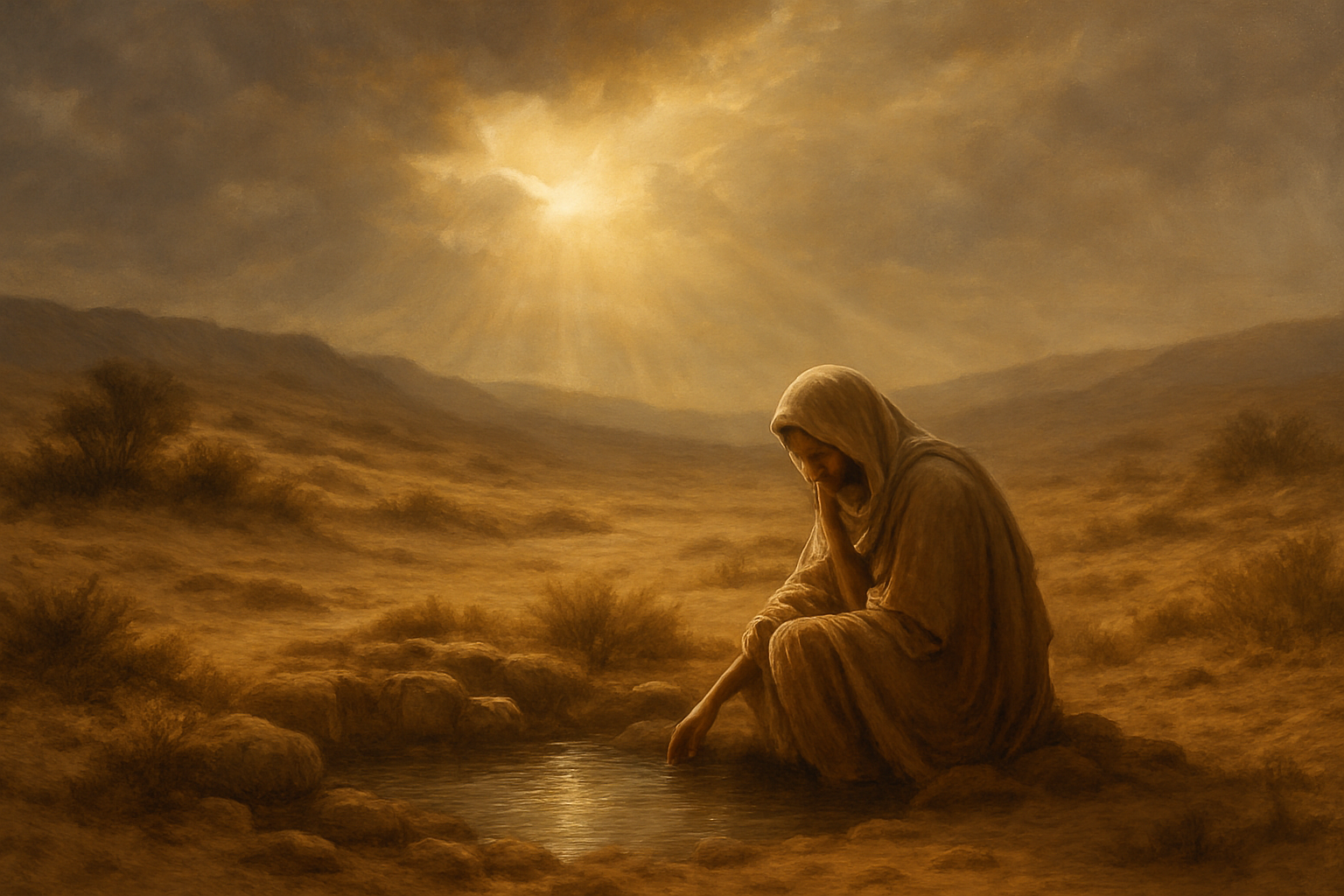
Some biblical titles are brief but unforgettable, and El Roi is one of them. First spoken by Hagar in the wilderness, this Hebrew expression points to the God who sees, a name rooted in a moment of fear, mercy, and unexpected divine attention.
El Roi belongs to the Old Testament and is tied directly to Genesis 16, where Hagar encounters the LORD after fleeing hardship. The title carries both meaning and theology: it speaks to God’s knowledge of human distress, His care for the overlooked, and His personal presence in a painful story.
What Does the Name El Roi Mean?
El Roi is commonly understood as “the God who sees” or “the God of seeing.” The wording comes from Hagar’s confession after God met her in the wilderness, and the title captures both His awareness and His compassionate regard.
Origin and Language
- Language: Hebrew
- Gender: Not clearly applicable
- Testament: Old Testament
- Type: Divine Title
Life and Role in Scripture
- Birth / Early Background: Not applicable as a divine title or designation. The title appears in the Genesis narrative as Hagar responds to God’s gracious attention in her time of distress.
- Death / Final Biblical Record: Not applicable as a divine title or designation. Scripture presents this as a revealed title for God rather than a figure with a recorded death or ending.
- Role / Calling: Divine title associated with God’s seeing, care, and providence
- Biblical Context: El Roi appears in Genesis 16 in connection with Hagar, an Egyptian servant who fled into the wilderness. The title arises from a personal encounter in which God sees the afflicted and addresses her need.
- Known For: Best known as the name Hagar gave to the LORD after she experienced His awareness and mercy in the wilderness. The title highlights God’s intimate knowledge of human suffering and His attentive care for the overlooked.
Who Is El Roi in the Bible?
El Roi is not a human character but a divine title that reveals something essential about God’s nature. It comes from Hagar’s own testimony after she experienced the LORD’s attention in a moment of vulnerability and despair. The title has endured because it speaks with unusual warmth and clarity about divine knowledge and mercy.
Biblical Role and Context
As a divine title, El Roi emphasizes God’s personal knowledge of circumstances that others may miss. In Genesis, the name is linked to Hagar’s testimony that she had encountered the God who sees her affliction. It gives readers a vivid picture of divine awareness joined to mercy.
Key Bible Verses About El Roi
Genesis 16:13 – And she called the name of the LORD that spake unto her, Thou God seest me: for she said, Have I also here looked after him that seeth me?
Genesis 16:7 – And the angel of the LORD found her by a fountain of water in the wilderness, by the fountain in the way to Shur.
Psalm 139:1-3 – O LORD, thou hast searched me, and known me. Thou knowest my downsitting and mine uprising, thou understandest my thought afar off. Thou compassest my path and my lying down, and art acquainted with all my ways.
Why El Roi Matters in the Bible
El Roi matters because it reveals a deeply personal dimension of God’s character in Scripture. The title reassures readers that suffering is not hidden from God and that His sight is never detached or indifferent. It also broadens biblical theology by showing how a vulnerable outsider could speak truthfully about the living God.
Related Names in the Bible
Frequently Asked Questions
What does El Roi mean in the Bible?
El Roi is commonly understood as “the God who sees” or “the God of seeing.” The title reflects Hagar’s response to God in Genesis 16.
Where does El Roi appear in Scripture?
El Roi appears in Genesis 16 in the account of Hagar fleeing into the wilderness and encountering the angel of the LORD.
Is El Roi a name for God?
Yes. It functions as a biblical title that describes an aspect of God’s character, especially His awareness and care for those in distress.
Why is El Roi important?
El Roi matters because it shows that God sees suffering, notices the forgotten, and responds with mercy. It is a pastoral and deeply personal title for God.


