Rahab in the Bible: Meaning, Origin, and Why It Matters
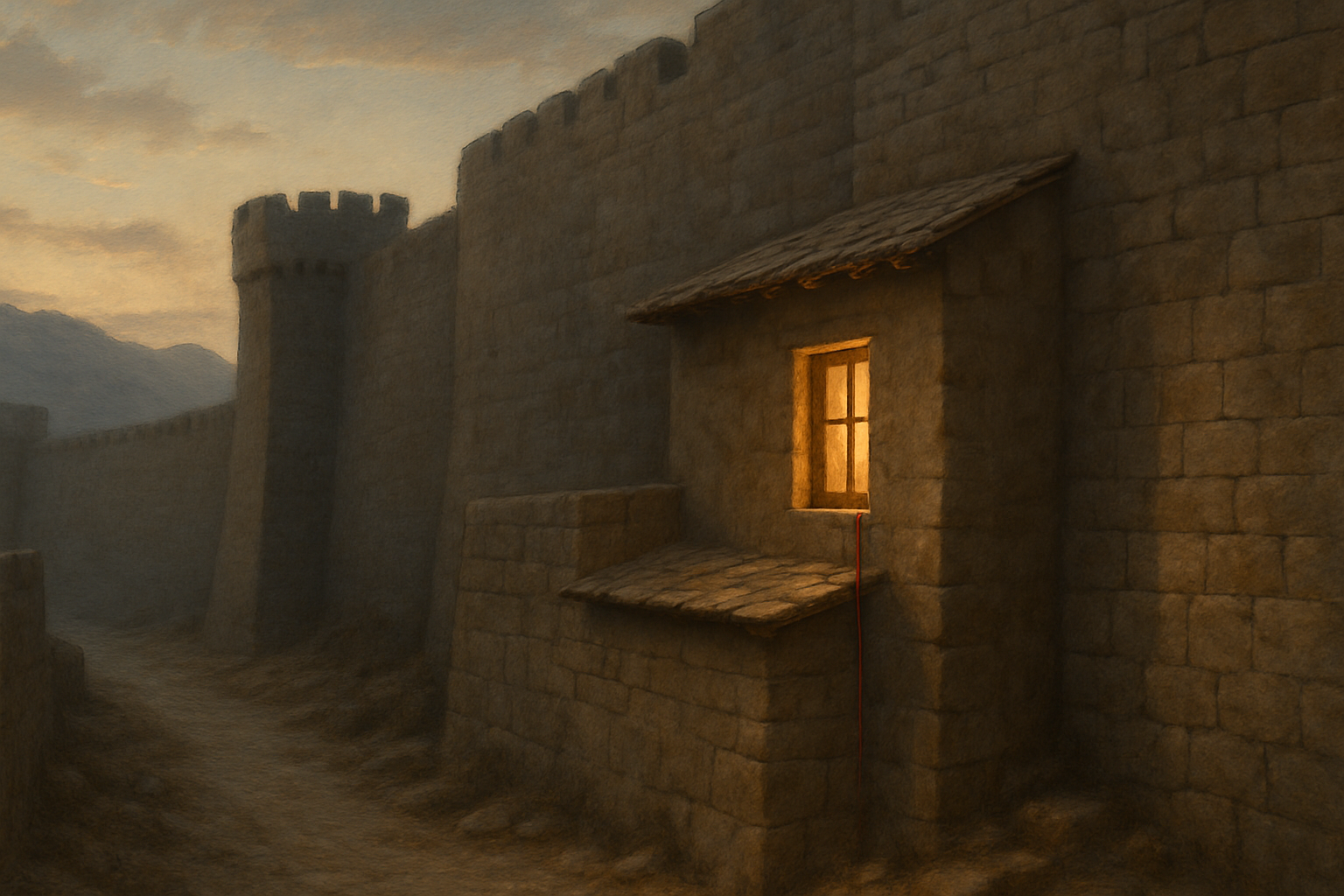
Rahab is one of Scripture’s most striking examples of faith appearing in an unexpected place. Her account unfolds in the Old Testament at Jericho, where her choice to protect the Israelite spies becomes a turning point in the conquest narrative and a lasting testimony to courage.
The name Rahab is commonly understood in Hebrew with the sense of “broad” or “spacious,” though the exact nuance is not always certain. Her biblical role is brief but memorable, and the New Testament later points back to her as a woman whose faith was shown through action.
What Does the Name Rahab Mean?
Rahab is commonly understood as meaning “broad” or “spacious,” though scholars do not always explain the name with complete certainty. In Bible study settings, it is best treated as a traditional Hebrew name with an established place in the biblical text rather than a definition that can be pressed too far.
Origin and Language
- Language: Hebrew
- Gender: Female
- Testament: Old Testament
- Type: Woman of the Bible
Life and Role in Scripture
- Birth / Early Background: Not explicitly recorded in Scripture. She is introduced in Joshua as a woman living in Jericho before Israel’s entry into the land.
- Death / Final Biblical Record: Her death is not recorded in Scripture. Later biblical tradition places her within the line connected to Israel’s history and redemption.
- Role / Calling: Resident of Jericho; innkeeper or household head associated with harboring the spies
- Biblical Context: Rahab appears in the conquest narrative of Jericho, where she hides the Israelite spies and responds to the God of Israel with faith. Her account bridges the world of Canaanite Jericho and the unfolding covenant story of Israel.
- Known For: She is best known for sheltering the spies sent by Joshua and for being spared when Jericho fell. The New Testament also remembers her for faith that acted with courage.
Who Is Rahab in the Bible?
Rahab is a notable Old Testament figure whose story is centered in Joshua 2 and 6. She lived in Jericho and becomes known for protecting the Israelite spies at great personal risk. Scripture presents her as a woman who turned to the God of Israel in faith and acted decisively.
Biblical Role and Context
Rahab’s role in Scripture is small in length but major in impact. She stands at the edge of Israel’s conquest of Jericho and shows that faith in the Lord was not limited by background or nationality. Her account also appears in later biblical reflection as an example of believing action.
Key Bible Verses About Rahab
Joshua 2:1 – And Joshua the son of Nun sent out of Shittim two men to spy secretly, saying, Go view the land, even Jericho. And they went, and came into an harlot’s house, named Rahab, and lodged there.
Joshua 6:25 – And Joshua saved Rahab the harlot alive, and her father’s household, and all that she had; and she dwelleth in Israel even unto this day; because she hid the messengers, which Joshua sent to spy out Jericho.
Hebrews 11:31 – By faith the harlot Rahab perished not with them that believed not, when she had received the spies with peace.
James 2:25 – Likewise also was not Rahab the harlot justified by works, when she had received the messengers, and had sent them out another way?
Why Rahab Matters in the Bible
Rahab matters because her story combines mercy, faith, and inclusion. She is one of the clearest examples in the Old Testament of a Gentile woman responding to God and being brought safely into the people’s story. Her place in biblical genealogy further shows how God works through unexpected lives.
Related Names in the Bible
Frequently Asked Questions
Who was Rahab in the Bible?
Rahab was a woman of Jericho who hid the Israelite spies and later became part of the biblical account of Israel’s entry into the land.
What does the name Rahab mean?
Rahab is commonly understood as meaning “broad” or “spacious,” though the exact sense is not always certain.
Why is Rahab important?
She is remembered for her courageous faith, her protection of the spies, and her place in the story of redemption.
Is Rahab mentioned in the New Testament?
Yes. She is mentioned in Hebrews 11 and James 2 as an example of faith shown through action.