
Tabitha in the Bible: Meaning, Origin, and Why It Matters
Tabitha is one of the New Testament’s quieter names, yet her story leaves a strong impression. Known in Joppa for her good works and acts of charity, she shows how Scripture honors faithful service, practical mercy, and a life shaped by discipleship.
Her name is closely tied to its Aramaic and Greek setting, and her account in Acts connects meaning, role, and witness in a single brief narrative. Tabitha’s place in the early church also highlights the care given to widows, the spread of the gospel in Judea, and the apostolic ministry associated with Peter.
What Does the Name Tabitha Mean?
Tabitha is commonly understood as meaning “gazelle” or “deer,” with the sense of grace, beauty, or gentleness often associated with that image. The New Testament also gives the Greek form Dorcas, which carries the same general idea.
Origin and Language
- Language: Aramaic
- Gender: Female
- Testament: New Testament
- Type: Woman of the Bible
Life and Role in Scripture
- Birth / Early Background: Not explicitly recorded in Scripture. She lived in Joppa and was part of the early Christian community there, likely known locally by her Aramaic name Tabitha and, in Greek, Dorcas.
- Death / Final Biblical Record: She fell ill and died, but Peter was used by God to restore her to life. Her later life is not recorded in Scripture.
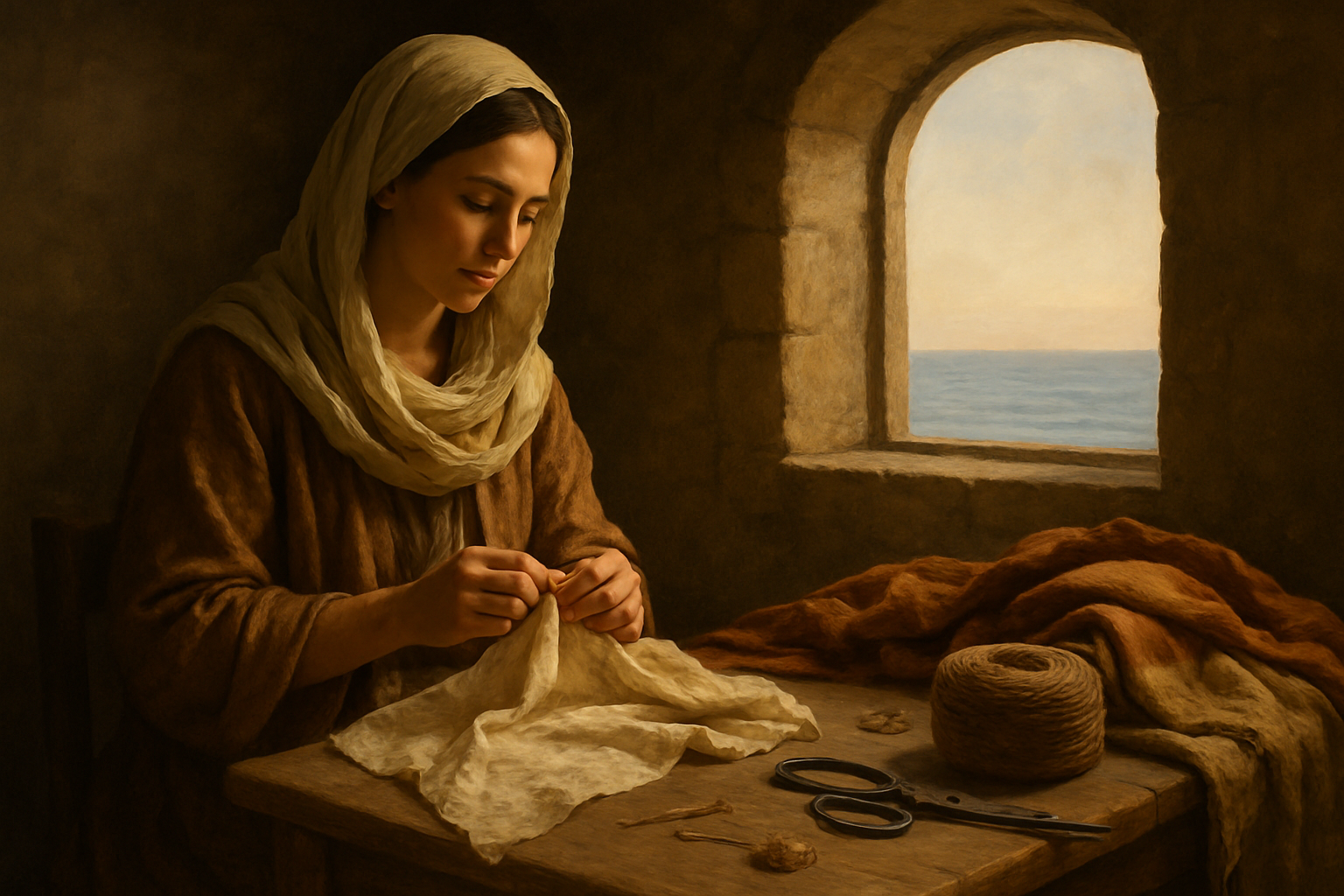
- Role / Calling: Disciple, seamstress, and benefactor
- Biblical Context: Tabitha appears in Acts during the rapid spread of the church in Judea and beyond. Her story is set in Joppa and highlights the care, generosity, and practical service that marked many early believers.
- Known For: She is known for her good works and acts of charity, especially making garments for widows. Her raising from death became a powerful testimony to the Lord’s power and to the growth of the church.
Who Is Tabitha in the Bible?
Tabitha is a New Testament disciple whose life reflects quiet but important kingdom service. Known also as Dorcas, she was admired for her good works and the garments she made for widows. Her account in Acts shows how compassion and faithfulness can leave a lasting witness in the church.
Biblical Role and Context
Tabitha represents the practical mercy ministry that supported the early Christian community. Her life shows that discipleship is not limited to public preaching or leadership; faithful acts of service matter deeply in Scripture. The miracle connected with her also points to God’s compassion and the apostolic witness in Acts.
Key Bible Verses About Tabitha
Acts 9:36 – Now there was at Joppa a certain disciple named Tabitha, which by interpretation is called Dorcas: this woman was full of good works and almsdeeds which she did.
Acts 9:37 – And it came to pass in those days, that she was sick, and died: whom when they had washed, they laid her in an upper chamber.
Acts 9:40-41 – But Peter put them all forth, and kneeled down, and prayed; and turning him to the body said, Tabitha, arise. And she opened her eyes: and when she saw Peter, she sat up. And he gave her his hand, and lifted her up, and when he had called the saints and widows, presented her alive.
Why Tabitha Matters in the Bible
Tabitha matters because Scripture highlights her generosity, skill, and reputation for good deeds. Her story gives unusual honor to a woman whose service was expressed through mercy, work, and care for others. The account of Peter raising her from the dead also confirms the continuing power of Christ at work through the apostles.
Related Names in the Bible
- Peter
- Lydda
- Joppa
- Cornelius
Frequently Asked Questions
Who was Tabitha in the Bible?
Tabitha was a disciple in Joppa known for good works and acts of charity. In Greek, her name is Dorcas, which carries a similar meaning connected with graceful beauty.
Why is Tabitha also called Dorcas?
The New Testament notes both names because Tabitha is the Aramaic form and Dorcas is the Greek equivalent. Both point to the same woman mentioned in Acts 9.
What was Tabitha known for?
She was known for making garments and helping widows. Scripture presents her as a woman whose faith was shown through practical kindness and service.
What happened to Tabitha in Acts 9?
She became sick and died, but Peter prayed and God restored her to life. Her account became a striking testimony to God’s power and mercy in the early church.





Leave A Comment