
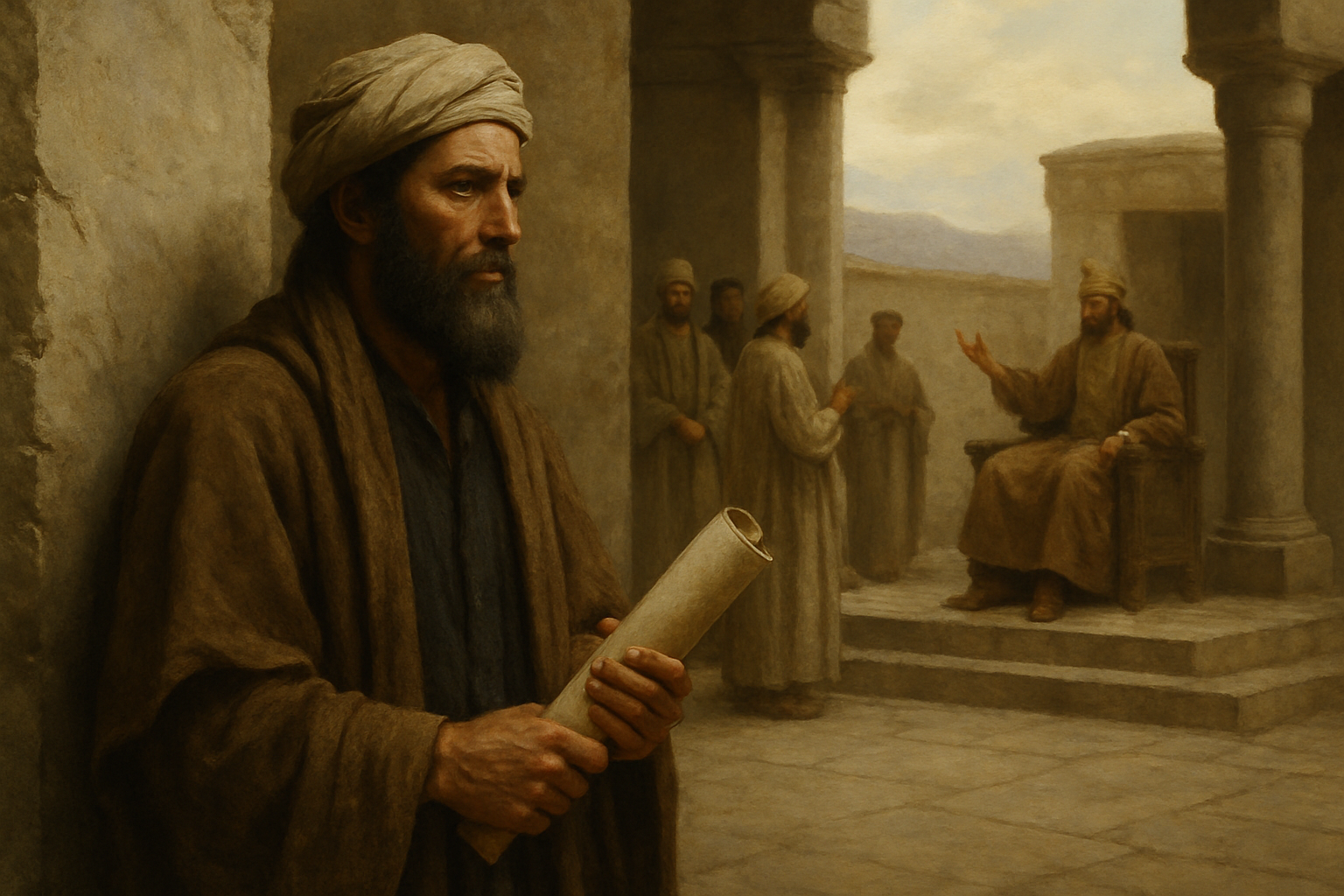
Micaiah in the Bible: Meaning, Origin, and Why It Matters
Micaiah son of Imlah is one of Scripture’s clearest portraits of a prophet who would not bend the truth to fit a royal agenda. His Hebrew name is commonly understood as “Who is like Yahweh?”, and that meaning fits the force of his message in the northern kingdom during the reign of Ahab.
He appears in a tightly focused but unforgettable narrative in 1 Kings 22 and 2 Chronicles 18, where a battle consultation becomes a test of true and false prophecy. Micaiah’s role, his confrontation with the king, and the verse context all underline a central biblical theme: the word of the LORD stands even when it is unwelcome.
What Does the Name Micaiah Mean?
Micaiah is commonly understood as “Who is like Yahweh?” The name is traditionally associated with Hebrew worship language and expresses reverence for the uniqueness of God. Because ancient names can carry more than one nuance, this meaning is best treated as careful and standard rather than overly absolute.
Origin and Language
- Language: Hebrew
- Gender: Male
- Testament: Old Testament
- Type: Prophet
Life and Role in Scripture
- Birth / Early Background: Not explicitly recorded in Scripture. He is introduced as Micaiah son of Imlah, a prophetic voice active in Israel during the reign of King Ahab.
- Death / Final Biblical Record: His death is not recorded in Scripture. The biblical text preserves his ministry and confrontation with Ahab but does not describe his final years.
- Role / Calling: Prophet of the LORD and truth-teller to the king
- Biblical Context: Micaiah appears in the northern kingdom during a royal consultation over battle against Ramoth-gilead. His account is set in the tension between faithful prophecy and the pressure of court-sponsored voices.
- Known For: He is known for refusing to echo false optimism and for delivering the LORD’s message even when it displeased the king. His vision of Israel scattered without a shepherd is one of the best-known prophetic scenes in the books of Kings.
Who Is Micaiah in the Bible?
Micaiah son of Imlah is remembered as a prophet who spoke with uncommon courage before King Ahab. His name is traditionally understood as a confession that no one compares with Yahweh. In a court filled with agreeable voices, he stood apart and delivered the word he received from God.
Biblical Role and Context
Micaiah serves as a model of prophetic integrity in a politically charged setting. He did not tailor his message to please rulers or match the majority opinion. His ministry highlights the biblical theme that true prophecy is accountable to the word of the LORD, not to human approval.
Key Bible Verses About Micaiah
1 Kings 22:8 – And the king of Israel said unto Jehoshaphat, There is yet one man, Micaiah the son of Imlah, by whom we may enquire of the LORD: but I hate him; for he doth not prophesy good concerning me, but evil.
1 Kings 22:14 – And Micaiah said, As the LORD liveth, what the LORD saith unto me, that will I speak.
1 Kings 22:17 – And he said, I saw all Israel scattered upon the hills, as sheep that have not a shepherd: and the LORD said, These have no master; let them return every man to his house in peace.
2 Chronicles 18:13 – And Micaiah said, As the LORD liveth, even what my God saith, that will I speak.
Why Micaiah Matters in the Bible
Micaiah matters because he shows what faithful witness looks like when truth is costly. His confrontation with Ahab exposes the danger of flattering prophecy and the certainty of God’s word. For Bible readers, he remains a clear example of courage, discernment, and submission to divine revelation.
Related Names in the Bible
- Ahab
- Jehoshaphat
- Zedekiah
- Elijah
Frequently Asked Questions
Who was Micaiah son of Imlah in the Bible?
He was an Old Testament prophet who spoke the LORD’s message before King Ahab. He is best known for refusing to approve the royal battle plan when other prophets promised success.
What does the name Micaiah mean?
The name is commonly understood as ‘Who is like Yahweh?’ It reflects a theistic Hebrew name form that points to the uniqueness of God.
Why is Micaiah important in 1 Kings 22?
Micaiah is important because he delivered the truthful prophecy that contradicted the flattering counsel of the other prophets. His words warned Ahab that the battle would end in disaster.
Is Micaiah the same person as Micah the prophet?
No. Micaiah son of Imlah is a distinct prophetic figure from Micah, the prophet associated with the book of Micah.


Leave A Comment