
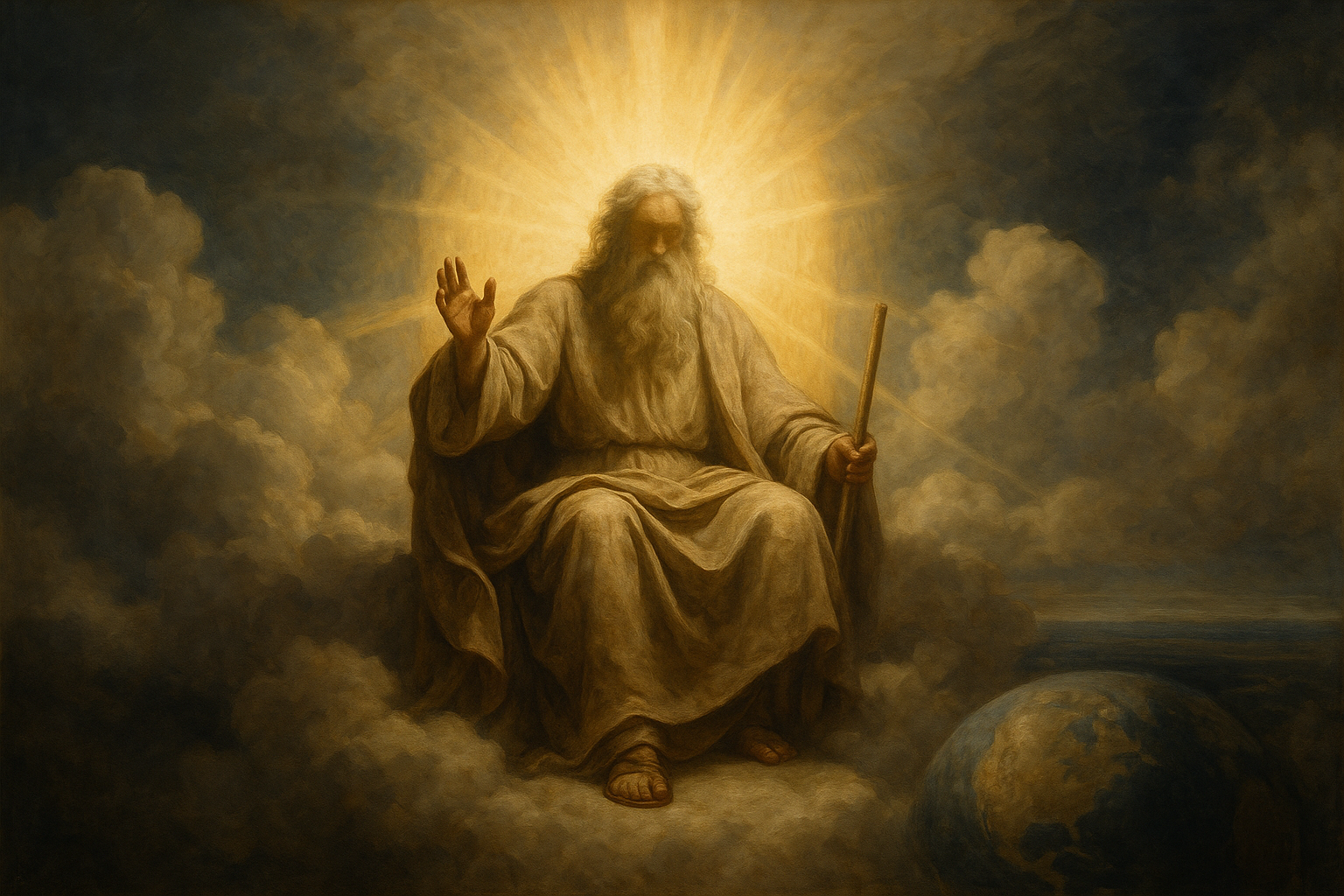
God the Father is the Creator, the sovereign Lord over all things, and is revealed throughout both the Old and New Testaments. Key reference: Genesis 1:1.
Who is God the Father?
In Christian belief, God the Father is the eternal Father, distinct from human fatherhood and revealed as the source of creation, holiness, and divine authority. Scripture presents Him in connection with covenant, mercy, judgment, and the wider biblical narrative of redemption. The main references for this subject extend across both the Old and New Testaments.
Role in the Bible
God the Father is associated in Scripture with the Creator. Across the biblical narrative, He is connected with creation, covenant, authority, holiness, mercy, judgment, and redemption. The major references linked with this article help explain how the Bible presents His role in relation to His people and to the wider story of salvation.
Names and Titles
Scripture and Christian tradition use a broad range of names and titles for God the Father. Together these names emphasize His covenant faithfulness, creative power, holiness, kingship, provision, nearness, and eternal sovereignty.
- Yahweh — the covenant name of God, closely associated with His self-revelation and enduring faithfulness
- Elohim — a title that emphasizes divine power, majesty, and God's role as Creator
- Adonai — a title meaning Lord or Master, highlighting authority and rightful rule
- El Shaddai — often understood as God Almighty, emphasizing strength, sufficiency, and divine power
- El Elyon — God Most High, stressing God's supremacy above all nations, rulers, and powers
- El Olam — the Everlasting God, pointing to God's eternal nature and unchanging character
- Jehovah Jireh — the Lord will provide, highlighting God's provision for His people
- Jehovah Rapha — the Lord who heals, emphasizing restoration, mercy, and care
- Jehovah Nissi — the Lord is my banner, expressing God's protection and victory
- Jehovah Shalom — the Lord is peace, emphasizing wholeness, peace, and divine reassurance
- Jehovah Tsidkenu — the Lord our righteousness, stressing God as the source of true righteousness and justice
- Ancient of Days — a title that points to God's eternal reign, wisdom, and unmatched authority
- King of Kings — a royal title affirming God's supreme rule over every earthly and heavenly power
- Father — especially emphasized in the New Testament, highlighting God's personal relationship with His people
Key Bible References
The following passages are among the main references for God the Father in Scripture.
- Genesis 1:1 — “In the beginning God created the heaven and the earth.” This verse connects to God the Father because it presents Him as the eternal Creator, the source of all things. It shows His authority and power over all creation.
- Matthew 6:9 — “After this manner therefore pray ye: Our Father which art in heaven, Hallowed be thy name.” This verse connects to God the Father by teaching Jesus’ disciples to address God directly as Father. It shows that the Father is holy and worthy of reverence in prayer.
Summary
God the Father is the Creator, the Father, and the sovereign Lord over all things. The attached references extend across both the Old and New Testaments. Taken together, these passages help explain God the Father in relation to creation, authority, covenant, and divine purpose.




Leave A Comment